


Uncategorized
How to Choose the Perfect Rug for Your Living Room in Australia
Dec
Understanding Your Living Room Space and Needs
If you want a rug that actually works in your living room, you need to start with the space, not the pattern. Before you fall for a colour or texture, get clear on how your room functions and what it has to handle in real life.
Step 1: Map the Size and Layout
Grab a tape measure and note the length and width of your living room. Measure the main seating zone, not just the whole room, because that is usually where the rug should anchor.
Then look at your layout. Ask yourself:
- Where are the main walkways? You do not want people constantly stepping half on, half off the rug.
- How is the furniture grouped? A good rug should connect the sofa, chairs and coffee table into one clear zone.
- Is the space open plan? If your living area flows into dining or workspace zones, your rug size will define the living area and stop the room feeling messy.
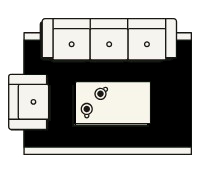
As a simple rule of thumb, aim for a rug that lets at least the front legs of your sofa and armchairs sit on the rug. That single choice makes the whole room feel more intentional.
Step 2: Identify Foot Traffic and Users
Next, be honest about how the space gets used. Think about:
- Traffic level: Is this a quiet lounge or the main family and guest zone with constant movement in and out from the outdoors
- Who uses it: Kids, pets, clients, staff, or just you
- Footwear: Bare feet, indoor shoes, or outdoor shoes that bring in grit and moisture
Higher traffic calls for denser, more durable piles and often darker or patterned designs that hide marks. In a client facing space, that matters just as much as a quality reception counter or lounge seating, especially if your living area doubles as a waiting or breakout zone near your main workspace.
Step 3: Match Shape and Durability to Purpose
Once you know how the room works, shape and durability are easier.
- Rectangle rugs suit most Australian living rooms with standard sofas and media units.
- Round rugs can soften boxy rooms, highlight a single statement chair, or sit neatly in smaller nooks.
- Runner style rugs can define narrow zones between seating and built in storage or circulation paths.
For durability, rank your space from low to high traffic, then choose a rug construction and pile height that matches that ranking. Treat it the same way you would specify furniture for a busy reception area, you are planning for real use, not for a photoshoot.
Choosing the Right Rug Material for Australian Climates
If you get the material wrong, your living room rug will fight the climate, collect dust, and look tired far too quickly. Get it right, and it will handle heat, humidity and heavy use without constant drama.
Wool: Reliable and Hard Wearing
Pros:
- Feels soft underfoot and instantly lifts a space.
- Handles high traffic well when tightly woven.
- Naturally resists soiling and bounces back from compression.
- Insulates in cooler regions and still feels breathable in air conditioned spaces.
Cons:
- Can feel warm in very hot, non air conditioned rooms.
- Not ideal for constant moisture or damp areas near open doors to pools or gardens.
- Some people react to wool fibres, so it does not suit every allergy profile.
Wool works well in living rooms that stay relatively dry with regular vacuuming and stable indoor temperatures.
Cotton: Light, Casual, and Easy to Move
Pros:
- Lightweight and often easier to roll up and move.
- Good for relaxed, coastal or casual interiors.
- Can suit renters or businesses that reconfigure layouts often.
Cons:
- Shows wear faster in high traffic zones.
- Holds onto stains more than many synthetics.
- Can shrink or distort if cleaned poorly.
Cotton suits low to medium traffic living rooms or short term setups where you are not chasing long term durability.
Synthetic Fibres: Practical for High Traffic and Allergies
Pros:
- Often more resistant to staining and moisture.
- Good for busy family rooms, client waiting zones, and pet friendly spaces.
- Typically easier to clean with standard residential or commercial methods.
- Low pile synthetics can help reduce dust build up compared with deep, loose piles.
Cons:
- Cheap constructions can flatten quickly and look tired.
- Some can feel less breathable in humid climates if the pile is very dense.
If you are used to specifying practical finishes for workspaces or buying robust office furniture that can take a beating, the same logic applies here. Choose denser, better quality synthetics and avoid fluffy novelty piles.
Natural Plant Fibres: Texture with Trade Offs
Pros:
- Strong texture that grounds minimalist or modern interiors.
- Often suits coastal or nature inspired schemes.
- Can feel cooler underfoot in warm climates, especially in dry regions.
Cons:
- Do not like prolonged humidity or pooled water from wet shoes.
- Can be rough underfoot, especially for kids who play on the floor.
- Fibres can fray at edges in very busy rooms.
Plant fibre rugs suit well ventilated living rooms that stay dry, with moderate traffic and users who care more about texture than plush comfort.
How to Match Material to Your Space
Use this quick framework:
- High traffic, kids, pets, or clients: Choose quality synthetics or dense wool blends, and prioritise stain resistance and easy cleaning.
- Low traffic, design led spaces: Wool or plant fibres give richer texture and feel more premium.
- Allergy sensitivity: Look for low pile synthetics, tightly woven constructions, and commit to regular vacuuming with a good filter.
- Humid or coastal regions: Avoid moisture loving plant fibres, and choose breathable wool or synthetics that dry quickly.
Pick material with the same discipline you use for sofas, workstations or flooring. It is the part that quietly decides how long your living room rug will look and feel the way you want.
Selecting Colours and Patterns that Complement Your Living Room Decor
If the material is the engine of your rug, colour and pattern are the face. This is what you and your guests notice first, so you want it to work hard with your existing decor, not fight it.
Start with Your Existing Colour Story
Look at your living room as it is right now. Focus on three anchors, the sofa, the flooring, and the largest wall or built in element. Your rug should either:
- Blend with these anchors for a calm, seamless look, think similar tones and low contrast patterns.
- Contrast with them to create energy, think lighter rug on dark flooring, or richer colour under neutral seating.
A simple rule, choose one dominant colour from your room, then let the rug repeat that colour and maybe introduce one supporting accent. In bright Australian light, this stops the room from feeling noisy or washed out.
Choosing the Right Tone for Australian Light
Natural light in Australian homes can be strong, especially in open plan living spaces with large windows. That affects how colours read in real life.
- Light rugs can make smaller or darker rooms feel open, but show dirt faster in busy family or client facing spaces.
- Mid tone rugs are the most forgiving, they work with timber, tiles and carpet without dominating.
- Deep colours ground big rooms and modern interiors, but can feel heavy if the walls and furniture are already dark.
If your space already has strong colour in artwork or accent chairs, let the rug sit quieter in a neutral or mid tone palette.
Patterns that Match How the Room is Used
Pattern is your best friend for real life living, especially in high traffic or mixed use spaces that see kids, pets or clients.
- Busy, all over patterns hide marks and everyday wear, ideal for multi use living rooms that behave a bit like breakout zones.
- Soft, organic patterns suit coastal or relaxed interiors and help balance clean lined furniture and media units.
- Simple geometrics work with contemporary furniture and can echo the clean lines of quality sofas, storage and even modern coffee tables.
If your sofa fabric already has pattern, go more restrained with the rug, and use scale wisely. Large scale pattern on one main element, small scale or solid colour on the rest.
Linking Home and Workspace Style
Many Australian homes double as work hubs, so it pays to think about how your living room rug sits alongside nearby desks or a compact home office zone. Just as you would coordinate finishes in a professional office fitout, repeat at least one tone across rug, furniture and joinery. That single choice ties the space together and makes both your living and working zones feel considered, not patched together.
Considering Rug Placement and Layering Techniques
You can buy the best rug on paper and still have the room feel flat if you put it in the wrong spot. Placement is what turns a rug into a proper living zone, especially in open plan Australian homes and mixed home office setups.
Use the Rug to Anchor Your Seating
In most living rooms, the rug should sit under the main seating group. Aim for this layout:
- Sofa and armchairs: At least the front legs on the rug, ideally more if the room allows.
- Coffee table: Fully on the rug so it feels stable and visually grounded.
- Side tables: On or just off the rug, as long as they do not create awkward gaps.
If your living area sits near a workspace or compact desk zone, treat the rug like you would a defined workstation cluster. It tells people where the living space starts and stops, exactly the same way grouped workstations or a lounge setting do in a professional fitout.
Align With Walkways and Sightlines
Look at the main paths through the room, from the hallway to the sofa, from the kitchen to the balcony, and so on. Position the rug so people walk around the main seating, not constantly across the middle of it.
Use this simple checklist:
- Keep rug edges clear of door swings.
- Avoid narrow strips of exposed floor that look accidental.
- Line the rug up with key features like media units or large windows for a clean visual line.
How to Layer Rugs Without Making a Mess
Layering works well in Australian homes where one large, hard flooring surface runs through living, dining and study areas. You can soften the living room without covering everything.
- Start with a base rug: A flat weave or natural fibre piece that is slightly larger than the main area.
- Add a hero rug on top: Place a softer, more detailed rug in the centre of the seating zone.
- Keep colours connected: Repeat at least one tone across both rugs and your main furniture.
Think of it the way you would layer soft seating on top of structured storage or joinery. The base gives definition, the top layer adds comfort and character.
Integrating Rugs With Flexible Furniture Layouts
If you move furniture often, or your living room doubles as a workspace, choose a rug size that still makes sense when you shift pieces. Aim for a rug that keeps at least one full seating cluster on it, even when you reconfigure.
For very adaptable homes or small business lounges that change frequently, you can treat your rug the same way you treat modular sofas or flexible lounge components. Lock in one clear zone on the rug, then float extra chairs or side tables just off the edge when needed.
Maintenance, Durability, and Longevity of Rugs in High-Traffic Areas
If your living room behaves like a corridor, a lounge, and sometimes a workspace, your rug needs a proper maintenance plan, not guesswork. The goal is simple, keep it looking good under real Australian conditions, heat, dust, sandy feet, and heavy use.
Choose Construction That Can Take a Beating
Durability starts long before cleaning. For busy homes or client facing areas, focus on:
- Dense, low to medium pile that does not trap every crumb or flatten in the main traffic path.
- Tight, quality backing that resists stretching or rippling when people pivot on it all day.
- Edge finishing that is properly bound so corners do not curl or fray.
Think about it the same way you would specify hard wearing seating or a commercial grade coffee table. You are planning for weight, movement, and constant contact.
Set a Simple Maintenance Routine
You do not need a complex schedule, just consistency.
- Vacuum regularly with a quality vacuum that has strong suction and a clean filter. Use gentle settings on wool and higher settings on synthetics.
- Rotate the rug periodically so one section does not carry all the foot traffic or sun exposure.
- Use a rug pad to stabilise movement, reduce wear on the backing, and protect hard floors.
In living rooms that sit close to entry doors or balconies, treat the rug like flooring in a reception area. A consistent clean is easier than a rescue job.
Spot Cleaning for Australian Conditions
Spills and dirt are inevitable, especially with kids, pets, or staff moving through.
- Act fast: Blot, do not rub, to avoid pushing stains deeper into the pile.
- Check the label: Follow the cleaning code for your specific fibre type.
- Watch the humidity: In coastal or tropical regions, ensure the rug dries quickly after cleaning to avoid lingering odours.
If your living room doubles as a casual meeting or breakout space, treat spot cleaning like you would treat marks on shared reception counters. Address them as they happen so the space always feels cared for.
Protecting Your Rug in High-Traffic Layouts
Placement affects longevity just as much as construction.
- Keep the rug clear of sharp furniture feet without proper protectors.
- Avoid placing it where doors constantly scrape the surface.
- Use entry mats near external doors to catch grit before it reaches the living room.
With the right construction, a basic cleaning routine, and smart placement, your living room rug will handle high traffic and still look like a deliberate design choice, not a tired mat taking all the punishment.
Budgeting and Making a Long-Term Investment
A good living room rug is not a throwaway purchase, it is closer to buying a sofa or a quality workstation. It sets the tone of the space and cops daily use, so you want to spend with a clear plan, not just chase the cheapest deal or the trendiest pattern.
Decide What You Need This Rug To Survive
Start with function, then money. Ask yourself:
- How long do I want this rug to last? Short term refresh, or long term fixture
- How hard will I use it? Quiet lounge, busy family room, or part of a client facing zone
- How often do I change my decor? Every [insert period] or only when something wears out
If you expect heavy use or long life, treat the rug like you would treat a quality desk or office chair. You pay more upfront, but you avoid replacing it over and over.
How to Build a Realistic Rug Budget
Use this simple structure to set your spend:
- Allocate a percentage of your room budget. Decide what portion of your total living room spend belongs to the rug, so it sits in line with your sofa, media unit, and lighting.
- Prioritise size and quality over fancy pattern. A correctly sized, well made rug in a simple design will always look better than a tiny, cheap rug with a loud print.
- Leave room for a rug pad and basic care. Factor in a quality pad and [insert cleaning allowance] so you can protect your investment properly.
Where To Spend More, Where To Save
You do not have to buy the most expensive rug in the store. You just need to know where quality matters most.
- Spend more on good fibre, dense construction, and proper edge finishing, especially in high traffic Australian living rooms and mixed home office setups.
- Save on ultra trend driven colours or patterns that might feel dated in a short time. Choose a more timeless base and refresh cushions and decor instead.
- Stay flexible with brand and origin. Focus on how the rug is built and how it feels underfoot, not just the label.
Thinking Like a Long-Term Investor
Before you buy, run your rug through this quick checklist:
- Will this size still work if I move or reconfigure the room
- Does the colour and pattern connect with my long term style, not just my current cushions
- Can I clean and maintain it realistically in my climate and household
When you look at the rug as a long term part of the room, the decision gets easier. You stop chasing short term bargains and start choosing pieces that hold their own alongside quality furniture and considered layouts, whether at home or in a business lounge.

